
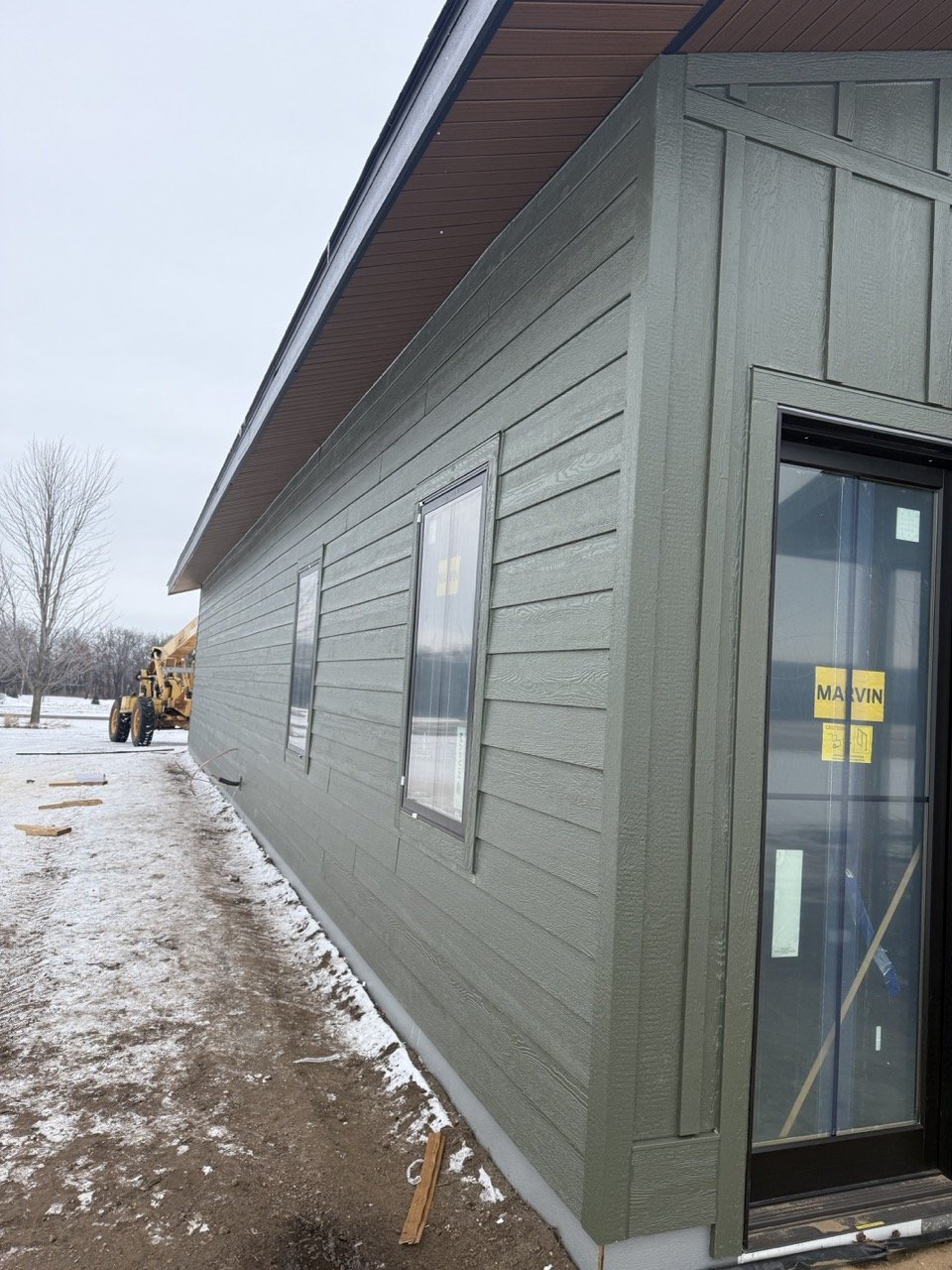
Full-Frame Window Installation
New construction windows installed with proper flashing to prevent leaks, rot, and long-term damage. No insert windows. No shortcuts.
Serving Red Wing, Lake City, Wabasha, Goodhue, Rochester, southeast Minnesota, and western Wisconsin.
Window Installation That Protects Your Home Long-Term
Replacing windows is not just about looks or energy efficiency. When windows are installed the wrong way, water can leak behind the walls and cause rot, mold, and costly damage that often stays hidden for years.
Skyline Roofing provides full-frame window installation using new construction windows only. This approach allows us to properly seal the window, manage water correctly, and fix problems before they turn into major repairs.
Most window failures are not caused by the window itself. They are caused by poor installation. Our process is designed to prevent that.
We serve homeowners in Red Wing, Lake City, Wabasha, Goodhue, Rochester, southeast Minnesota, and western Wisconsin.
Full-Frame Window Installation (Why It Matters)
We do not install insert or replacement windows.
Insert windows fit inside the existing frame. They are faster and cheaper, but they leave old problems in place. Any rot, water damage, or poor flashing stays hidden behind the new window.
With full-frame window installation, the entire window is removed. This allows us to:
Inspect the wall opening and framing
Repair rot or water damage
Install proper flashing and sealing
Tie the window correctly into the siding and wall system
This method takes more time, but it protects your home and prevents repeat issues.
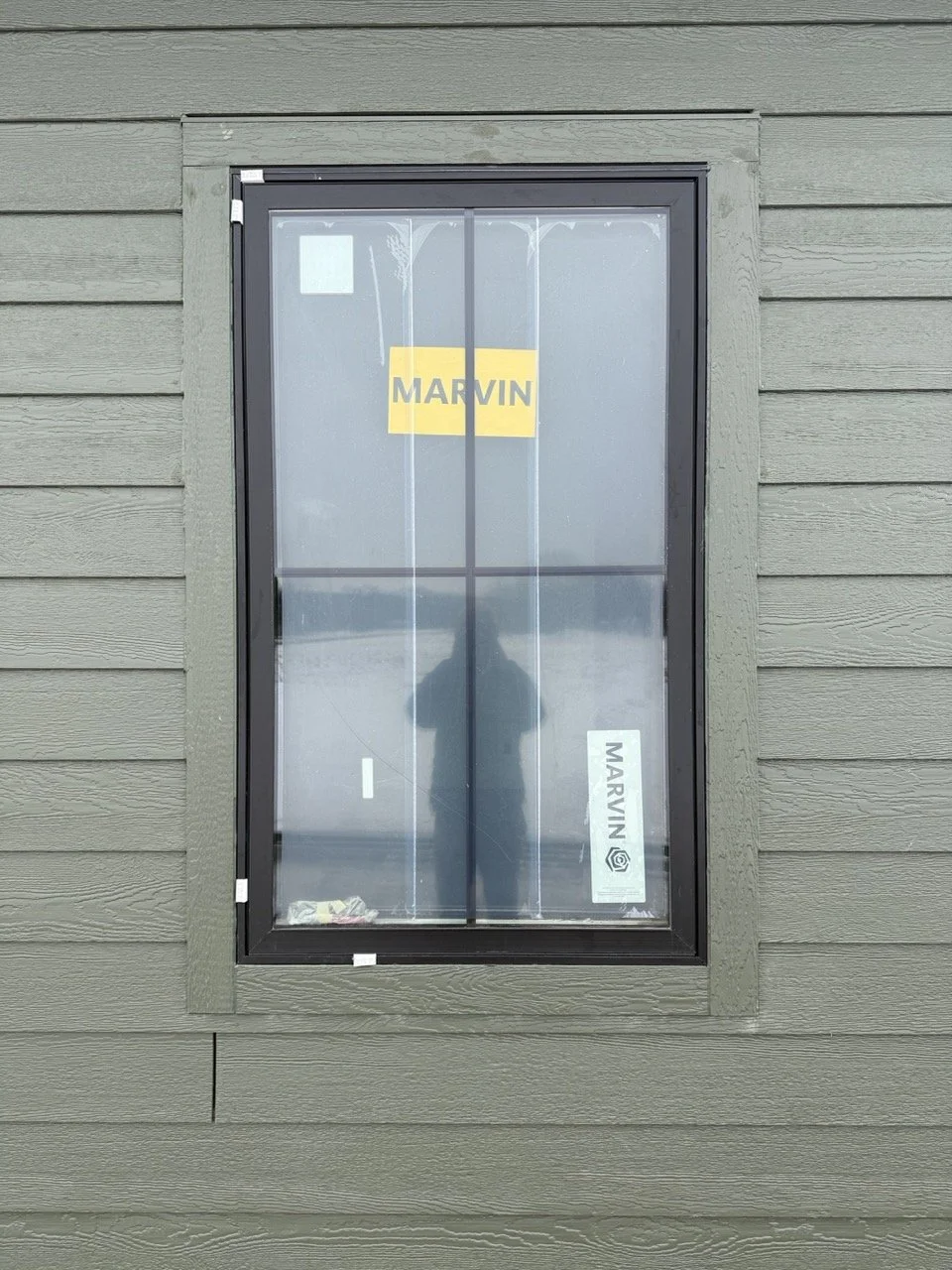
Insert Windows vs Full-Frame Windows
What’s the Difference—and Why It Matters in Minnesota & Wisconsin
Not all window replacements are the same. The difference between insert windows and full-frame window installation isn’t just technical—it directly affects durability, energy performance, water protection, and long-term value.
As exterior contractors with deep construction experience, we evaluate window replacements the same way a master carpenter would: by looking at the entire wall system, not just the window unit.
Below is a clear, side-by-side breakdown to help homeowners understand which option actually makes sense for their home.
Insert vs Full-Frame Window Installation — Side-by-Side Comparison
| Category | Insert Window Replacement | Full-Frame Window Installation |
|---|---|---|
| What is replaced | Only the window sash and interior components | Entire window unit including frame, sill, and jambs |
| Existing frame condition | Must already be square, dry, and undamaged | Existing frame is fully removed |
| Access to framing | No access to rough opening | Full access to inspect and repair framing |
| Flashing capability | Relies on existing (often hidden) flashing | New flashing integrated into the wall system |
| Water management | Limited control | Complete control and proper drainage |
| Air sealing | Minimal improvement | Full air sealing at the rough opening |
| Energy efficiency gains | Moderate | Maximum performance |
| Glass area | Slightly reduced | Full original opening preserved |
| Interior trim work | Minimal or none | Required and properly finished |
| Siding compatibility | Poor fit during siding replacement | Ideal for siding and exterior remodels |
| Ability to correct hidden damage | Not possible | Fully addressed |
| Longevity | Dependent on old frame condition | Full new service life |
| Best for | Budget-driven upgrades with sound frames | Long-term performance and exterior renovations |
Insert Windows: When They Make Sense (and When They Don’t)
Insert windows are designed to fit inside the existing window frame. The old frame stays in place, and the new window is installed within it.
This approach can make sense when:
The existing window frame is perfectly square
There is no water damage
The home is not being re-sided
Budget is the primary concern
However, insert windows come with important limitations.
Because the original frame remains:
Existing flashing cannot be inspected or corrected
Hidden rot or moisture issues go unaddressed
Air sealing is limited
The glass area is reduced slightly
In cold-climate regions like southeast Minnesota and western Wisconsin—where freeze-thaw cycles, wind-driven rain, and ice dams are common—these limitations matter.
Insert windows are not wrong. They’re just not a structural solution.
Full-Frame Window Installation: The Correct Way to Replace Windows
Full-frame window installation removes the entire existing window assembly down to the rough opening. This allows the window to be rebuilt as part of the wall system—not just dropped into it.
From a construction standpoint, this is the correct method when:
Windows are original or aging
There are signs of air leakage or moisture
Long-term performance matters more than short-term cost
With full-frame installation, we can:
Inspect and repair the rough opening
Correct framing issues
Install proper flashing and weather barriers
Insulate and air-seal the entire opening
Integrate the window with siding and trim correctly
This is how windows were meant to be installed.
Why Full-Frame Installation Matters in Cold-Climate Homes
In Minnesota and Wisconsin, windows are not just about glass—they are a pressure point in the building envelope.
Improperly installed or poorly flashed windows can lead to:
Water intrusion behind siding
Ice dam-related leaks
Drafts and heat loss
Interior condensation
Long-term rot that stays hidden for years
Full-frame installation allows the window to:
Shed water properly
Manage air movement
Handle seasonal expansion and contraction
Protect the structure behind the siding
This is especially important when windows are installed alongside siding or roofing work, where all exterior components need to work together.
Our Approach: Full-Frame Windows Done the Right Way
At Skyline Roofing, we focus on full-frame window installation because it aligns with how homes should be built—and rebuilt.
Our approach includes:
Evaluating the wall system, not just the window
Coordinating window installation with siding or exterior projects
Using proper flashing methods appropriate for our climate
Treating windows as part of the home’s long-term structure
We don’t install insert windows as a shortcut.
We install windows the way a master carpenter would—so they perform for decades, not just until the next storm.
Not Sure Which Option Is Right for Your Home?
If you’re unsure whether your home is a candidate for insert windows or needs full-frame replacement, we’ll walk you through the differences during your inspection and explain the reasoning clearly—no pressure, no guesswork.
New Construction Windows Only
We install new construction windows because they are designed to be installed with proper flashing and water control.
We work with trusted manufacturers, including:
Marvin
Andersen Windows
These windows are known for durability, energy performance, and long-term reliability when installed correctly.


Why Window Installation and Siding Work Together
Windows and siding are part of the same exterior system. If one fails, the other is often affected.
Many of our window projects are completed during siding replacement because it allows us to:
Flash windows correctly behind the siding
Replace trim cleanly and evenly
Remove weak points where water can enter
Improve the overall look of the home
Homeowners often bundle windows, siding, and even roofing into one exterior project. Larger projects reduce labor overlap and can result in better overall pricing.
Common Window Problems in Older Homes
Most of the homes we work on are 15 to 30 years old or older. These homes often show signs of:
Water leaking around windows
Drafts during winter months
Condensation between window panes
Rotting wood under trim or siding
Higher heating and cooling costs
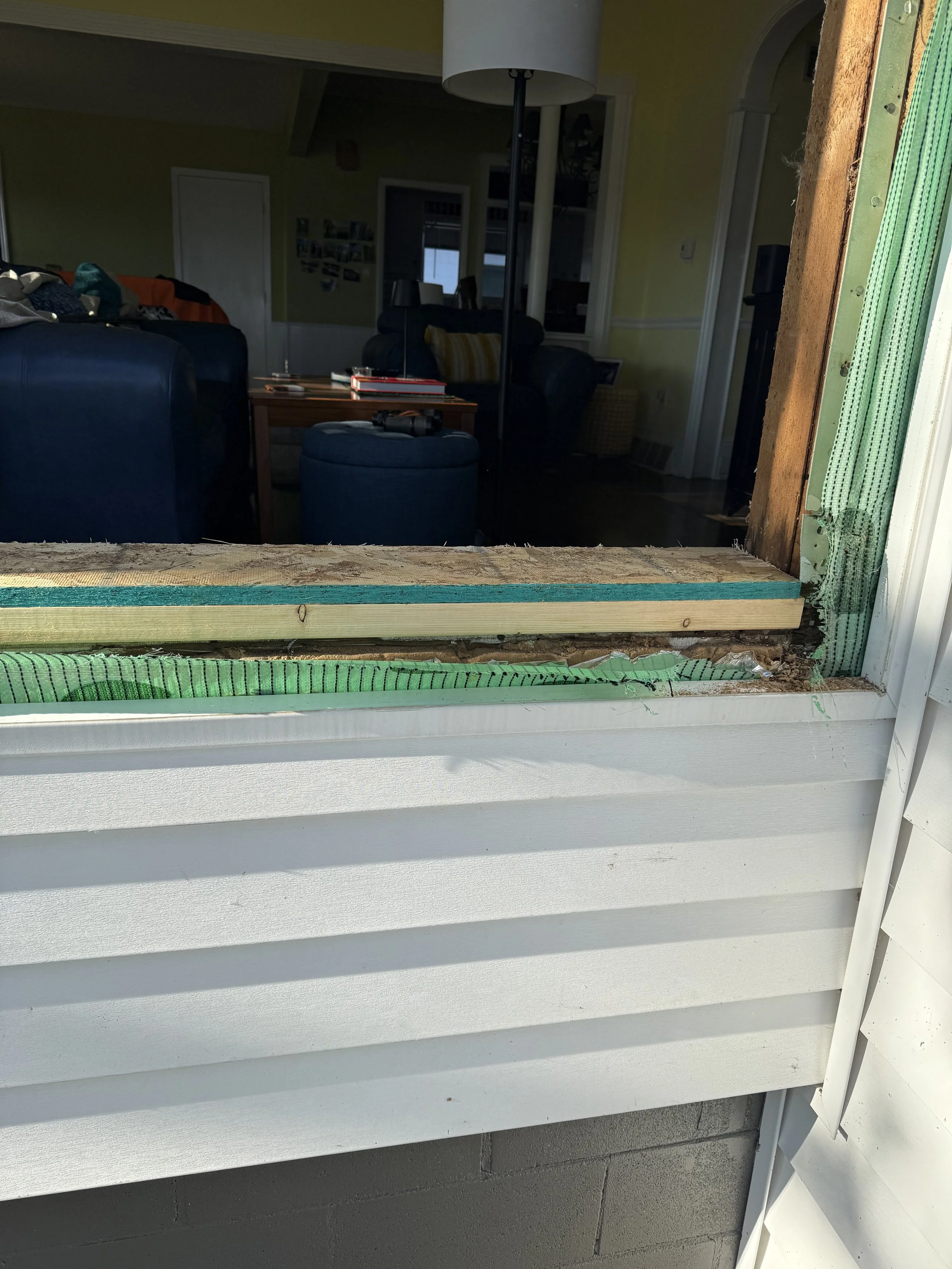
In many cases, the damage is hidden until the window is removed. Full-frame installation allows us to fix these issues the right way.
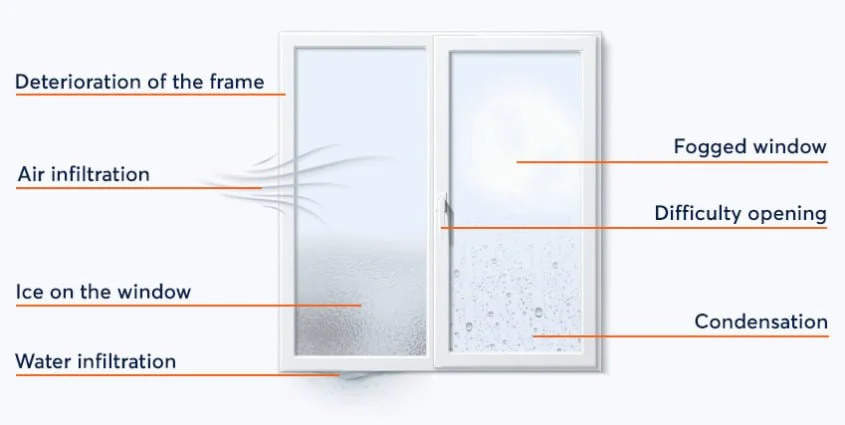
Why Proper Flashing Matters in Minnesota & Wisconsin
Homes in Minnesota and Wisconsin face heavy rain, snow, ice, and freeze-thaw cycles. Water only needs a small opening to cause damage.
If a window is not flashed correctly:
Water can leak behind siding
Framing can rot over time
Mold can develop inside walls
Repairs become much more expensive
Proper flashing directs water away from the window opening and safely down the wall system. It is one of the most important parts of window installation and one of the most common shortcuts taken by contractors.
Our process prioritizes proper flashing to protect homes through every season.
Our Window Installation Process
We follow a clear process so homeowners know what to expect.
Inspection
We inspect existing windows, surrounding framing, siding, and interior signs of moisture.
Clear Recommendations
You receive a clear explanation of what we find and whether window replacement should be combined with siding or other exterior work.
Full Window Removal
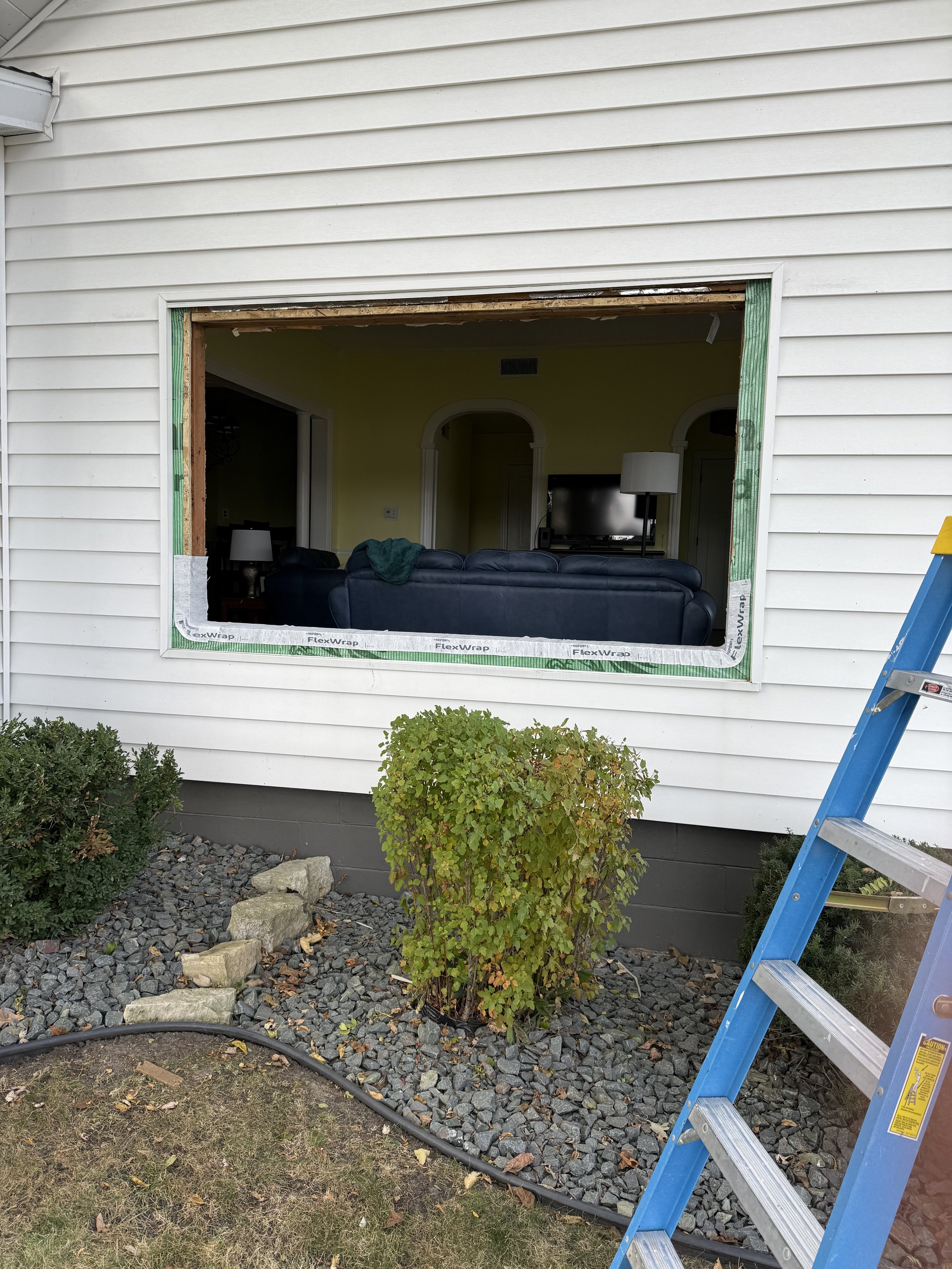
The existing window is fully removed so the opening can be inspected.
Framing and Rot Repair
Any damaged wood is repaired or replaced before installing the new window.
Flashing and Sealing
We install flashing to direct water away from the window and wall system.
New Construction Window Installation
The window is installed, secured, sealed, and aligned for proper operation.
Final Review
We check function, sealing, and exterior integration before completing the project.
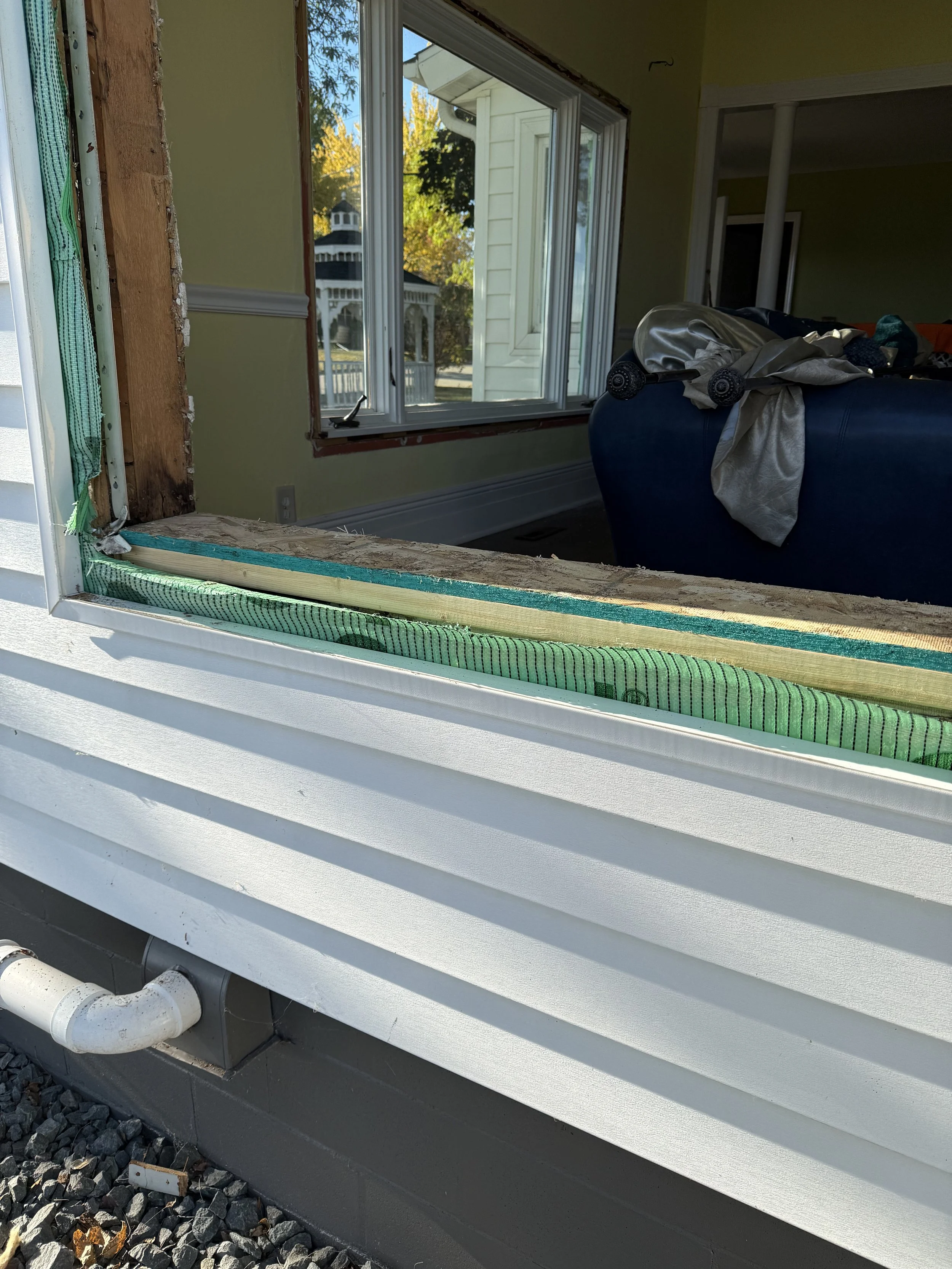
What Affects Window Installation Cost
Window installation costs depend on several factors, including:
Window size and type
Manufacturer and product selection
Condition of existing framing
Amount of water damage or rot
Trim and siding integration
Whether windows are part of a larger exterior project
After inspection, we provide clear pricing based on the actual scope of work. No vague ranges. No surprise add-ons.
Energy Efficiency and Comfort Benefits
When installed correctly, new windows can improve comfort and efficiency by:
Reducing drafts
Improving indoor temperature consistency
Increasing insulation performance
Lowering heating and cooling costs
Reducing outside noise
Installation quality is just as important as the window itself.
Window Installation FAQs
How long does window installation take?
Most window installations take one to two days, depending on the number of windows and whether framing repairs are needed.
Do you install insert or replacement windows?
No. We install new construction windows using a full-frame method only.
Can windows be replaced during a siding project?
Yes. Replacing windows during siding installation often leads to better flashing and cleaner finishes.
What if rot or water damage is found?
Any damaged framing is repaired before the new window is installed to prevent future problems.
Do you offer free window inspections?
Yes. We offer free inspections to determine the best solution for your home.
Are manufacturer warranties included?
Yes. Manufacturer warranties apply along with an industry-standard installation warranty.
Schedule a Free Window Inspection
If your windows leak, feel drafty, or are part of an exterior upgrade, the first step is a proper inspection.
Request a free window inspection to find out if full-frame window installation is the right solution for your home.
Our Roofing Services Area
Wisconsin
Bay City
Ellsworth
Hager City
Maiden Rock
Pepin
Plum City
Prescott
River Falls
Minnesota
Farmington
Goodhue
Hastings
La Crosse
Lake City
Red Wing
Rochester
Wabasha
Winona